
Home
SIPRI Top 100 arms companies grow despite supply chain challenges
- Details
- Written by northsouth
- Category: Defence & Security
- Hits: 1196
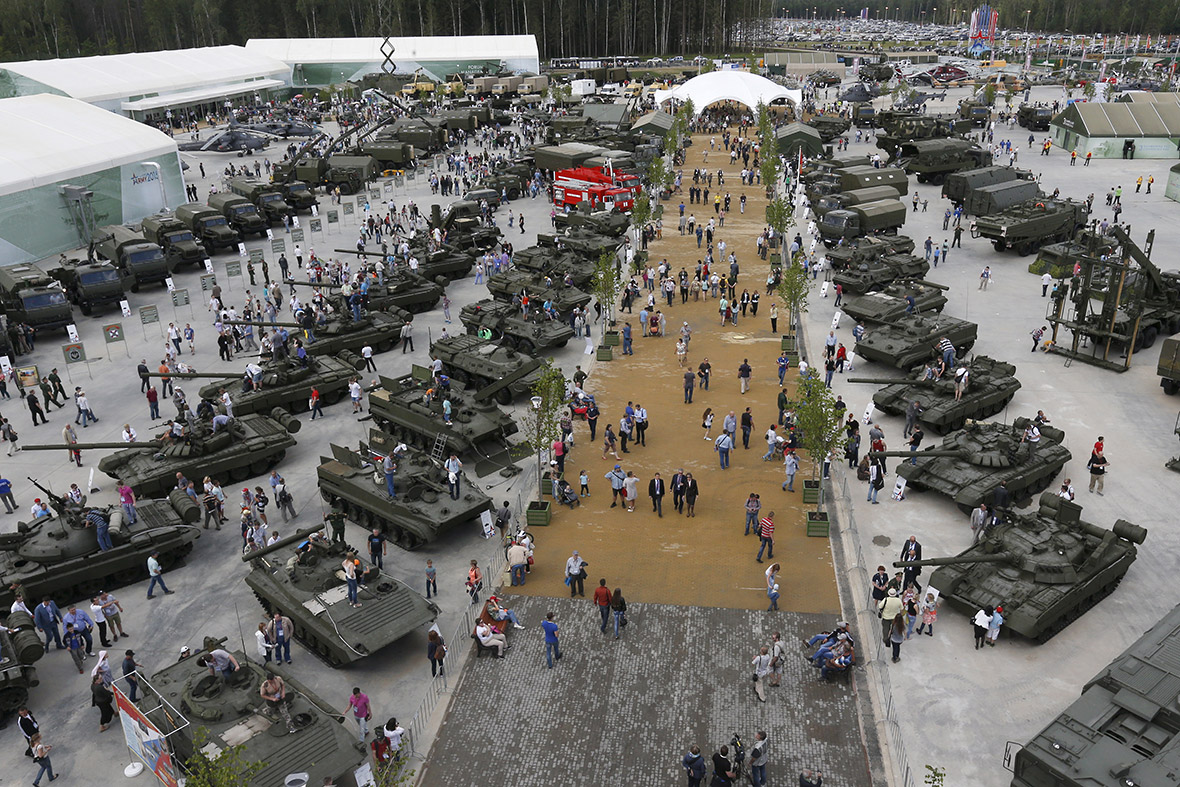
Stockholm - Sales of arms and military services by the 100 largest companies in the industry reached $592 billion in 2021, a 1.9 per cent increase compared with 2020 in real terms. This is according to new data released today by the Stockholm International Peace Research Institute (SIPRI).
The increase marked the seventh consecutive year of rising global arms sales. However, while the rate of growth in 2020–21 was higher than in 2019–20 (1.1 per cent), it was still below the average for the four years leading up to the Covid-19 pandemic (3.7 per cent).
Supply chain issues seen in 2021 likely to worsen due to Ukraine war
Many parts of the arms industry were still affected by pandemic-related disruptions in global supply chains in 2021, which included delays in global shipping and shortages of vital components.
‘We might have expected even greater growth in arms sales in 2021 without persistent supply chain issues,’ said Dr Lucie Béraud-Sudreau, Director of the SIPRI Military Expenditure and Arms Production Programme. ‘Both larger and smaller arms companies said that their sales had been affected during the year. Some companies, such as Airbus and General Dynamics, also reported labour shortages.’
Russia’s invasion of Ukraine in February 2022 has added to supply chain challenges for arms companies, not least because Russia is a major supplier of raw materials used in arms production. This could hamper ongoing efforts in the United States and Europe to strengthen their armed forces and to replenish their stockpiles after sending billions of dollars’ worth of ammunition and other equipment to Ukraine.
‘Increasing output takes time,’ said Dr Diego Lopes da Silva, SIPRI Senior Researcher. ‘If supply chain disruptions continue, it may take several years for some of the main arms producers to meet the new demand created by the Ukraine war.’
While reports indicate that Russian companies are increasing production because of the war, they have had difficulty accessing semiconductors. They are also being impacted by war-related sanctions. For example, Almaz-Antey (not included in the Top 100 for 2021 due to lack of data) has stated that it has not been able to receive payments for some of its arms export deliveries.
US companies dominate the Top 100, but sales decline
The arms sales of the 40 US companies in the listing totalled $299 billion in 2021. North America was the only region to see a drop in arms sales compared with 2020. The 0.8 per cent real-terms decline was partly due to high inflation in the US economy during 2021. Since 2018, the top five companies in the Top 100 have all been based in the USA.
A recent wave of mergers and acquisitions in the US arms industry continued in 2021. One of the most significant acquisitions was Peraton’s purchase of Perspecta, a government IT specialist, for $7.1 billion.
‘We can probably expect to see stronger action from the US government to limit arms industry mergers and acquisitions in the next few years,’ said Dr Nan Tian, SIPRI Senior Researcher. ‘The US Department of Defense has expressed concern that reduced competition in the industry could have knock-on effects on procurement costs and product innovation.’
Europe: Aerospace sales fall, shipbuilding rises
In 2021 there were 27 Top 100 companies headquartered in Europe. Their combined arms sales increased by 4.2 per cent compared with 2020, reaching $123 billion.
‘Most of the European companies that specialize in military aerospace reported losses for 2021, which they blamed on supply chain disruptions,’ said Lorenzo Scarazzato, a researcher with the SIPRI Military Expenditure and Arms Production Programme. ‘In contrast, European shipbuilders seem to have been less affected by the pandemic fallout and were able to increase their sales in 2021.’
Dassault Aviation Group bucked the trend in the military aerospace sector. The company’s arms sales saw a sharp 59 per cent increase to $6.3 billion in 2021, driven by deliveries of a total of 25 Rafale combat aircraft.
Chinese companies drive rapid growth in Asian arms sales
The combined arms sales of the 21 companies in Asia and Oceania included in the Top 100 reached $136 billion in 2021—5.8 per cent more than in 2020. The eight Chinese arms companies in the listing had total arms sales of $109 billion, a 6.3 per cent increase.
‘There has been a wave of consolidation in the Chinese arms industry since the mid 2010s,’ said Xiao Liang, a researcher with the SIPRI Military Expenditure and Arms Production Programme. ‘In 2021 this saw China’s CSSC becoming the biggest military shipbuilder in the world, with arms sales of $11.1 billion, after a merger between two existing companies.’
The combined arms sales of the four South Korean companies in the Top 100 grew by 3.6 per cent compared with 2020, reaching $7.2 billion. This was largely due to a 7.6 per cent rise in arms sales by Hanwha Aerospace, to $2.6 billion. Hanwha’s arms sales are expected to grow significantly in the coming years, after it signed a major arms deal with Poland in 2022, following the Russian invasion of Ukraine.
Other notable developments
- Six Russian companies are included in the Top 100 for 2021. Their arms sales totalled $17.8 billion—an increase of only 0.4 per cent over 2020. There were signs that stagnation was widespread across the Russian arms industry.
- The five Top 100 companies based in the Middle East generated $15.0 billion in arms sales in 2021. This was a 6.5 per cent increase compared with 2020, the fastest pace of growth of all regions represented in the Top 100.
- The aggregated arms sales of the four Top 100 companies based in Japan was $9.0 billion, a decline of 1.4 per cent compared with 2020.
- This is the first year in which a Taiwanese firm appears in the Top 100. NCSIST (ranked 60th), which specializes in missiles and military electronics, recorded arms sales of $2.0 billion in 2021.
- Private equity companies are becoming more active in the arms industry, particularly in the USA. This could affect the transparency of arms sales data, due to less stringent financial reporting requirements compared with public companies.
To download the SIPRI Fact Sheet, visit: https://www.sipri.org/publications/2022/sipri-fact-sheets/sipri-top-100-arms-producing-and-military-services-companies-2021
Cluster munitions 2022 report
- Details
- Written by northsouth
- Category: Defence & Security
- Hits: 1294
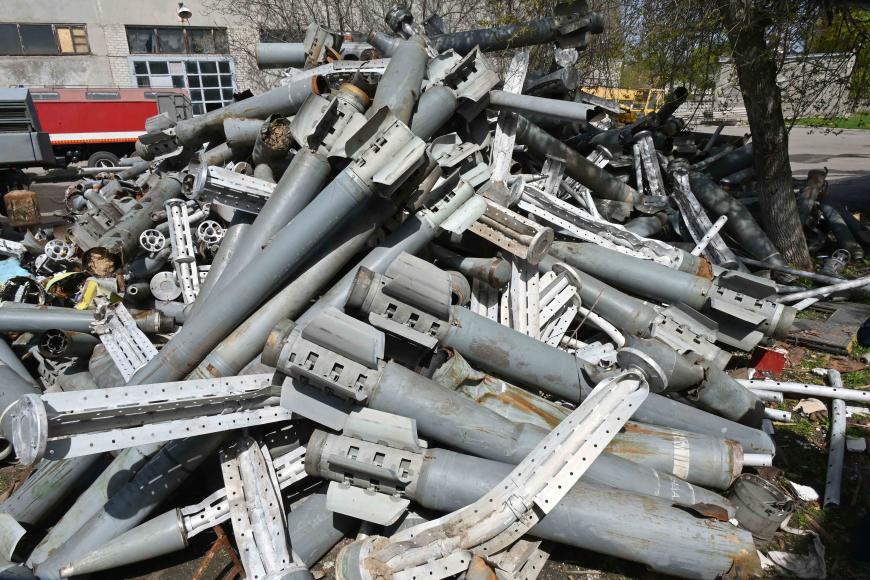
GENEVA - Russian forces’ repeated use of cluster munitions has caused lasting harm to hundreds of Ukrainian civilians, according to this year’s global Cluster Munition Monitor report. Ukraine is the only country in the world where cluster munitions are being used today.
The report, which tracks efforts to eradicate cluster munitions by all countries, notes least 689 civilians died from cluster munition attacks between February and July. In Kharkiv, Ukraine’s second-largest city, Russian cluster munition attacks struck homes, city streets, and parks, as well as an outpatient clinic at a maternity hospital and a cultural center, a Human Rights Watch investigation found.
Ukrainian forces also appear to have used cluster munitions rockets on at least two occasions. The use of cluster munitions , which disperse submunitions that can maim and kill like landmines for years, is prohibited by the 2008 Convention on Cluster Munitions.
110 countries have ratified and 13 more have signed the Convention, and while neither Russia nor Ukraine are parties to it, the indiscriminate nature of such weapons, particularly when deployed in built-up areas, would still make their use a likely war crime under international law.
“All countries should condemn the use of these weapons under any circumstances,” says Mary Wareham , arms advocacy director at Human Rights Watch and editor of the Cluster Munition Monitor 2022. The Cluster Munition Monitor is the annual monitoring report by the Cluster Munition Coalition (CMC), a global coalition of nongovernmental organizations co-founded and chaired by Human Rights Watch.
Cluster munitions can be fired from the ground by artillery, rockets, and mortars, or dropped by aircraft. They typically open in the air, dispersing multiple bomblets or submunitions over a wide area. Many submunitions fail to explode on initial impact, leaving dangerous duds that can indiscriminately maim and kill like landmines for years, until they are cleared and destroyed.
he report will be presented to countries attending the 10th annual meeting of the Convention on Cluster Munitions at the United Nations in Geneva next week.
Global nuclear arsenals are expected to grow, SIPRI Yearbook
- Details
- Written by northsouth
- Category: Defence & Security
- Hits: 1288

Stockholm - The Stockholm International Peace Research Institute (SIPRI) today launches the findings of SIPRI Yearbook 2022, which assesses the current state of armaments, disarmament and international security. A key finding is that despite a marginal decrease in the number of nuclear warheads in 2021, nuclear arsenals are expected to grow over the coming decade.
Signs that post-cold war decline in nuclear arsenals is ending
The nine nuclear-armed states—the United States, Russia, the United Kingdom, France, China, India, Pakistan, Israel and the Democratic People’s Republic of Korea (North Korea)—continue to modernize their nuclear arsenals and although the total number of nuclear weapons declined slightly between January 2021 and January 2022 (see table below), the number will probably increase in the next decade.
Of the total inventory of an estimated 12 705 warheads at the start of 2022, about 9440 were in military stockpiles for potential use. Of those, an estimated 3732 warheads were deployed with missiles and aircraft, and around 2000—nearly all of which belonged to Russia or the USA—were kept in a state of high operational alert.
Although Russian and US total warhead inventories continued to decline in 2021, this was due to the dismantling of warheads that had been retired from military service several years ago. The number of warheads in the two countries’ useable military stockpiles remained relatively stable in 2021. Both countries’ deployed strategic nuclear forces were within the limits set by a bilateral nuclear arms reduction treaty (2010 Treaty on Measures for the Further Reduction and Limitation of Strategic Offensive Arms, New START). Note, however, that New START does not limit total non-strategic nuclear warhead inventories.
‘There are clear indications that the reductions that have characterized global nuclear arsenals since the end of the cold war have ended,’ said Hans M. Kristensen, Associate Senior Fellow with SIPRI’s Weapons of Mass Destruction Programme and Director of the Nuclear Information Project at the Federation of American Scientists (FAS).
‘All of the nuclear-armed states are increasing or upgrading their arsenals and most are sharpening nuclear rhetoric and the role nuclear weapons play in their military strategies,’ said Wilfred Wan, Director of SIPRI’s Weapons of Mass Destruction Programme. ‘This is a very worrying trend.’
Russia and the USA together possess over 90 per cent of all nuclear weapons. The other seven nuclear-armed states are either developing or deploying new weapon systems, or have announced their intention to do so. China is in the middle of a substantial expansion of its nuclear weapon arsenal, which satellite images indicate includes the construction of over 300 new missile silos. Several additional nuclear warheads are thought to have been assigned to operational forces in 2021 following the delivery of new mobile launchers and a submarine.
The UK in 2021 announced its decision to increase the ceiling on its total warhead stockpile, in a reversal of decades of gradual disarmament policies. While criticizing China and Russia for lack of nuclear transparency, the UK also announced that it would no longer publicly disclose figures for the country’s operational nuclear weapon stockpile, deployed warheads or deployed missiles.
In early 2021 France officially launched a programme to develop a third-generation nuclear-powered ballistic missile submarine (SSBN). India and Pakistan appear to be expanding their nuclear arsenals, and both countries introduced and continued to develop new types of nuclear delivery system in 2021. Israel—which does not publicly acknowledge possessing nuclear weapons—is also believed to be modernizing its nuclear arsenal.
North Korea continues to prioritize its military nuclear programme as a central element of its national security strategy. While North Korea conducted no nuclear test explosions or long-range ballistic missile tests during 2021, SIPRI estimates that the country has now assembled up to 20 warheads, and possesses enough fissile material for a total of 45–55 warheads.
‘If the nuclear-armed states take no immediate and concrete action on disarmament, then the global inventory of nuclear warheads could soon begin to increase for the first time since the cold war,’ said Matt Korda, Associate Researcher with SIPRI’s Weapons of Mass Destruction Programme and Senior Research Associate with the FAS Nuclear Information Project.
Mixed signals from nuclear diplomacy
There were several landmarks in nuclear diplomacy during the past year. These included the entry into force of the Treaty on the Prohibition of Nuclear Weapons (TPNW) in January 2021, having received the required 50 state ratifications; the extension for five years of New START, the last remaining bilateral arms control agreement between the world’s two leading nuclear powers; and the start of talks on the USA rejoining, and Iran returning to compliance with, the Iran nuclear deal, the Joint Comprehensive Plan of Action (JCPOA).
During 2021, the nuclear-armed permanent members (P5) of the United Nations Security Council—China, France, Russia, the UK and the USA—worked on a joint statement that they issued on 3 January 2022, affirming that ‘nuclear war cannot be won and must never be fought’. They also reaffirmed their commitment to complying with non-proliferation, disarmament and arms control agreements and pledges as well as their obligations under the 1968 Treaty on the Non-Proliferation of Nuclear Weapons, and pursuing the goal of a world without nuclear weapons.
Despite this, all P5 members continue to expand or modernize their nuclear arsenals and appear to be increasing the salience of nuclear weapons in their military strategies. Russia has even made open threats about possible nuclear weapon use in the context of the war in Ukraine. Bilateral Russia–USA strategic stability talks have stalled because of the war, and none of the other nuclear-armed states are pursuing arms control negotiations. Moreover, the P5 members have voiced opposition to the TPNW, and the JCPOA negotiations have not yet reached a resolution.
‘Although there were some significant gains in both nuclear arms control and nuclear disarmament in the past year, the risk of nuclear weapons being used seems higher now than at any time since the height of the cold war,’ said SIPRI Director Dan Smith.
A mixed outlook for global security and stability
The 53rd edition of the SIPRI Yearbook reveals both negative and some hopeful developments in 2021.
‘Relations between the world’s great powers have deteriorated further at a time when humanity and the planet face an array of profound and pressing common challenges that can only be addressed by international cooperation,’ said Stefan Löfven, Chair of the SIPRI Governing Board.
In addition to its detailed coverage of nuclear arms control and non-proliferation issues, the latest edition of the SIPRI Yearbook includes insight on developments in conventional arms control in 2021; regional overviews of armed conflicts and conflict management; in-depth data and discussion on military expenditure, international arms transfers and arms production; and comprehensive coverage of efforts to counter chemical and biological security threats.
Global arms trade falls slightly, but imports to Europe, East Asia rise
- Details
- Written by northsouth
- Category: Defence & Security
- Hits: 1237
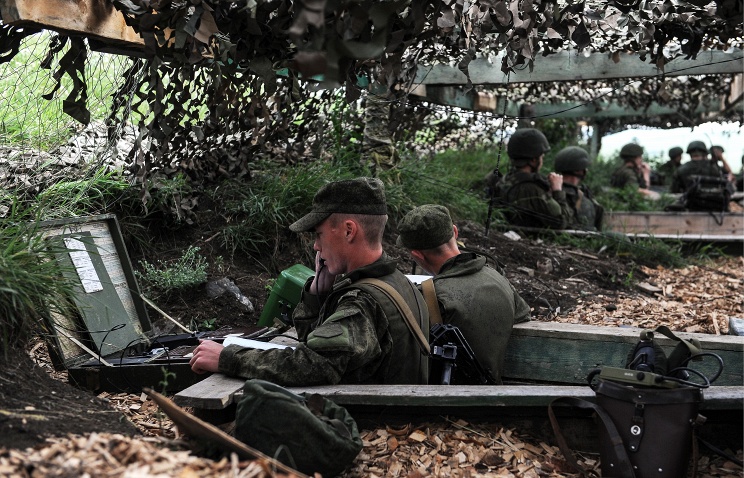
STOCKHOLM - International transfers of major arms saw a slight drop between 2012–16 and 2017–21 (–4.6 per cent). Nevertheless, exports by the United States and France increased substantially, as did imports to states in Europe (+19 per cent), East Asia (+20 per cent) and Oceania (+59 per cent). Transfers to the Middle East remained high, while those to Africa and the Americas decreased, according to new data on global arms transfers published today by the Stockholm International Peace Research Institute (SIPRI).
‘The small decrease in global arms transfers masks large variations between regional trends,’ said Pieter D. Wezeman, Senior Researcher with the SIPRI Arms Transfers Programme. ‘Whereas there were some positive developments, including South American arms imports reaching their lowest level in 50 years, increasing or continuing high rates of weapons imports to places like Europe, East Asia, Oceania and the Middle East contributed to worrying arms build-ups.’
Europe sees biggest growth in arms imports
The biggest growth in arms imports among world regions occurred in Europe. In 2017–21 imports of major arms by European states were 19 per cent higher than in 2012–16 and accounted for 13 per cent of global arms transfers. The largest arms importers in Europe were the United Kingdom, Norway and the Netherlands. Other European states are also expected to increase their arms imports significantly over the coming decade, having recently placed large orders for major arms, in particular combat aircraft from the USA. Despite armed conflict in eastern Ukraine throughout 2017–21, the country’s imports of major arms in the period were very limited.
‘The severe deterioration in relations between most European states and Russia was an important driver of growth in European arms imports, especially for states that cannot meet all their requirements through their national arms industries,’ said Pieter D. Wezeman, Senior Researcher with the SIPRI Arms Transfers Programme. ‘Arms transfers also play an important role in transatlantic security relationships.’
Asia and Oceania imports down, but rising in some subregions
Asia and Oceania remained the largest importing region for major arms, receiving 43 per cent of global transfers in 2017–21, and six states in the region were among the 10 largest importers globally: India, Australia, China, South Korea, Pakistan and Japan. Transfers to the region overall fell slightly (–4.7 per cent), but there was wide variation among different subregions.
Arms imports to South Asia fell by 21 per cent and those to South East Asia fell by 24 per cent between 2012–16 and 2017–21. In the same period, arms imports to Oceania grew by 59 per cent, due to a 62 per cent increase in Australia’s imports, and imports to East Asia rose by 20 per cent.
‘Tensions between China and many states in Asia and Oceania are the main driver of arms imports in the region,’ said Siemon T. Wezeman, Senior Researcher with the SIPRI Arms Transfers Programme. ‘These tensions are also a major factor in US arms transfers to the region. The USA remains the largest supplier to Asia and Oceania, as arms exports are an important element of US foreign policy aimed at China.’
Indian arms imports decreased by 21 per cent between 2012–16 and 2017–21. However, it remained the largest importer globally and India is planning large-scale arms imports in the next few years from several suppliers.
Middle Eastern arms imports level off after sharp increase
Middle Eastern states imported 2.8 per cent more arms in 2017–21 than they did in 2012–16. This followed an 86 per cent increase in arms imports to the region between 2007–11 and 2012–16.
As the conflict in Yemen continued and tensions between Iran and other states in the region remained high, arms imports played an important role in security developments in the Gulf. Arms imports by Saudi Arabia—the world’s second largest arms importer—increased by 27 per cent between 2012–16 and 2017–21. Qatar’s arms imports grew by 227 per cent, propelling it from the 22nd largest arms importer to the 6th largest. In contrast, arms imports by the United Arab Emirates (UAE) shrank by 41 per cent between 2012–16 and 2017–21, taking it from the third largest to the ninth largest arms importer globally. All three of these states and Kuwait have placed large orders for major arms planned for delivery in the coming years.
US, French arms exports rise; Russian, Chinese and German arms exports fall
Arms exports by the USA grew by 14 per cent between 2012–16 and 2017–21, increasing its global share from 32 per cent to 39 per cent. Arms exports by the USA in 2017–21 were more than double (108 per cent more) those of the second largest exporter, Russia. The Middle East accounted for 43 per cent of US arms transfers. Especially important for the growth of US arms exports was an increase in deliveries of major arms to Saudi Arabia, by 106 per cent.
Russia, which accounted for 19 per cent of all exports of major arms in 2017–21, saw its exports shrink by 26 per cent between 2012–16 and 2017–21. The overall decrease in Russia’s arms exports was almost entirely due to a fall in arms deliveries to two recipients: India and Viet Nam. However, several large arms deliveries from Russia to India are expected in the coming years.
France accounted for 11 per cent of global arms exports in 2017–21, making it the third largest arms exporter. France increased its arms exports by 59 per cent between 2012–16 and 2017–21.
In 2017–21 China was the fourth largest arms exporter and Germany the fifth largest. Arms exports by China decreased by 31 per cent between 2012–16 and 2017–21, while Germany’s arms exports fell by 19 per cent.
Other notable developments:
- Italian arms exports represented 3.1 per cent of the global total in 2017–21 and were 16 per cent higher than in 2012–16.
- Arms exports by the United Kingdom dropped by 41 per cent between 2012–16 and 2017–21. The UK accounted for 2.9 per cent of total arms exports in 2017–21.
- Between 2012–16 and 2017–21 there were overall decreases in arms imports by states in three world regions: the Americas (–36 per cent), Africa (–34 per cent), and Asia and Oceania (–4.7 per cent).
- In 2017–21 arms imports by South American states were lower than in any five-year period in the past half century. Brazil is the only state in South America with substantial deliveries of arms pending.
- Myanmar’s arms imports fell by 32 per cent between 2012–16 and 2017–21. It accounted for 0.6 per cent of global arms transfers in 2017–21.
- In 2017–21 the five largest arms importers in sub-Saharan Africa were Angola, Nigeria, Ethiopia, Mali and Botswana.
- Taiwan’s arms imports shrank by 68 per cent between 2012–16 and 2017–21, but are scheduled to increase significantly in the coming years.
- Israeli arms imports increased by 19 per cent between 2012–16 and 2017–21.
- Egypt's arms imports grew by 73 per cent between 2012–16 and 2017–21, making it the third largest arms importer globally.
Main News
Error: No articles to display
latest news
- New blood test can spot breast cancer at earliest stages, scientists
- Sole bidders Saudi Arabia confirmed as hosts of 2034 men’s World Cup
- Nagasaki survivor accepts Nobel Peace Prize, calls for nuclear free world
- Countering Collapse in Haiti
- Crude oil price and production movements, OPEC
- IFAD, Nepal launch $120 million programme to help over 250,000 people
- DiEM25 challenges EU’s inhumane practices towards migrants
- Malibu wildfires forced thousands to evacuate their homes
- DRC: Senior army officials must be investigated for possible crimes
- Netanyahu describes corruption charges against him as ‘ocean of absurdity’ at trial
- Authorities disrupt migrant smuggling supply chain
- Israeli tanks '16 miles from Damascus' as overnight raids 'destroy Assad army's assets'
- In Haiti, women suffer the consequences of gang violence
- ICC arrest warrants for top Israeli officials are step toward justice
- Poland: Brutal Pushbacks at Belarus Border
- Sudan: War Crimes in South Cordovan, HRW
- Europeans politicians quick to promote hate against Syrian refugees
- Pentagon announces $988 million Ukraine Security Assistance package
- Trump says Russia, Iran in 'weakened state,' calls on Putin to make Ukraine deal
- $1.7 billion in airline funds blocked by governments
- 12 Ways to improve circulation for healthy blood flow, Doctors
- Action against ‘phone phishing’ gang in Belgium, Netherlands: 8 arrests
- $282 million program targeting agriculture and food systems
- What’s happening in Syria? The key developments as Assad flees to Russia
- UK nearly as divided as the US, report finds
Europe
DiEM25 challenges EU’s inhumane practices towards migrants
Authorities disrupt migrant smuggling supply chain
ICC arrest warrants for top Israeli officials are step toward justice
Poland: Brutal Pushbacks at Belarus Border
Europeans politicians quick to promote hate against Syrian refugees
Action against ‘phone phishing’ gang in Belgium, Netherlands: 8 arrests
UK nearly as divided as the US, report finds
Starmer rejects choice between EU and US allies
French government at risk of collapsing over 2025 budget
Belgium convicted of crimes against humanity for acts committed during colonisation
23rd International Economic Forum on Africa Monday 9 December
Putin Approves New Budget With Record Defence Spending
UK MPs back Assisted dying bill after emotionally-charged Commons debate
Ireland goes to polls with three parties neck and neck
Putin full of praise for ‘intelligent and experienced’ Trump
UK to continue selling arms to Israel despite Lebanon ceasefire, Starmer says
Crackdown on illegal streaming network with 22 million users worldwide
France says Israel's Netanyahu has immunity from ICC arrest warrant
Number of Europeans diagnosed with HIV rose in 2023 with new cases in most countries
Georgian prime minister suspends EU membership talks until end of 2028
Russian missile fired at Ukraine carried warheads without explosives
Russia advances in Ukraine at fastest monthly pace since start of war
Why are news outlets not covering crackdown on pro-Palestinian journalists in UK?
Starmer and Lammy are ‘monstrous war criminals’, Palestinian lawyer
Storm Bert brings severe flooding across UK
Asia
Nagasaki survivor accepts Nobel Peace Prize, calls for nuclear free world
IFAD, Nepal launch $120 million programme to help over 250,000 people
Embezzling property tycoon scrambles to raise $9bn to avoid death sentence
Pakistan: Everything we know about clashes between Imran Khan supporters and police
India: Mosque survey dispute erupts into deadly clashes
Taliban detained journalists over 250 times since takeover, UN
Philippines summons VP Duterte over threat to have Marcos killed
Four troops killed in Pakistan as protesters demand release of ex-PM Khan
Thousands of Imran Khan supporters defy arrest to head to capital
Pakistan sealing off capital ahead of planned rally by Imran Khan supporters
Fighting between armed sectarian groups in Pakistan kills at least 33 people
Rise in Afghan opium cultivation reflects economic hardship
Volcano erupts in Bali spewing five-mile ash cloud
New Delhi becomes world’s most polluted city as AQI levels reach 1,000
Pakistan’s toxic smog cover is now visible from space
Chinese driver 'angry about divorce settlement' ploughs into crowd leaving 35 dead
Taliban to attend UN climate conference for first time
Suicide bomber kills 24 in explosion at Pakistan train station
China unveils new heavy rocket that looks similar to SpaceX Starship
North Korea’s new ICBM missile records longest flight time yet
Japanese youth committed to fight poverty and hunger with IFAD
Japan's government in flux after election gives no party majority
Indan Muslims face discrimination after restaurants forced to display workers’ names
IFAD and Thailand sign agreement for new regional office in Bangkok
Nobel Peace Prize was awarded to the Japanese organization Nihon Hidankyo
Africa
DRC: Senior army officials must be investigated for possible crimes
Sudan: War Crimes in South Cordovan, HRW
Angola: US President Biden must demand immediate release of five critics
Wife of 'abducted' Ugandan opposition figure says he won't get justice
S.Africa opposition seeks to revive impeachment proceedings against Ramaphosa
Namibia may elect its first-ever female president in elections this week
Botswana turns to cannabis as diamonds are’s for ever
Influencers and social media beat mainstream media in Kenya
Mali’s ruling military appoints new prime minister
Regenerative Agriculture and Peace-building in South-central Somalia
Wits University unveils pan-African AI centre
'The UK will never forget Sudan,' says David Lammy
Sudan’s displaced have endured ‘unimaginable suffering, brutal atrocities’
Nearly half the world’s 1.1 billion poor live in conflict settings
Sudan war deaths are likely much higher than recorded
Africa’s mineral deposits can power the energy transition
The joint force of the AES ready to launch large-scale operations to secure Sahel
Mystery still surrounds death of revered UN chief Hammarskjöld, 63 years after plane crash
IFAD and Sierra Leone partner to boost farm productivity
Mozambique: End violent post-election crackdown ahead of 7 November Maputo march
Africa: Richer countries must commit to pay at COP29
Sudan’s ‘living nightmare’ continues as 11 million flee war
‘Alarming’ situation in Great Lakes Region of DR Congo
Climate change worsened rains in flood-hit African regions, scientists
African progress backslides as coups and war persist
Americas
Countering Collapse in Haiti
Malibu wildfires forced thousands to evacuate their homes
In Haiti, women suffer the consequences of gang violence
Pentagon announces $988 million Ukraine Security Assistance package
Trump says Russia, Iran in 'weakened state,' calls on Putin to make Ukraine deal
Musk dealt legal defeat in battle over $56 billion Tesla pay deal
Autonomous Systems Impact on Modern Warfare
US, Israel, China, and the Shifting Arms Trade in the Middle East
Support the Court, HRW
Private prisons in US stand to cash in from Trump’s mass deportation plan
G7 Foreign Ministers’ Meeting Statement
War Crimes Weapons: Made in the USA
Trump Cabinet and executive branch of different ideas and eclectic personalities
Trump Says He Will Impose 25% Tariff on Canada and Mexico on Day one
Prosecutors drop election interference and documents cases against Trump
Number of children recruited by gangs in Haiti soars by 70%, UNICEF
Archaeologists discover 4,000-year-old canals used to fish by predecessors of ancient Maya
Democrats in Congress urge Biden to sanction Israelis over West Bank violence
Susan Sarandon opens up on exile from Hollywood after PRO-Palestine remarks
What could Trump’s election win mean for Ukraine and the Middle East
Trump deploys garbage truck to trash Biden gaffe at Wisconsin rally
US calls on Israel to tackle ‘catastrophic humanitarian crisis’ in Gaza
Vinicius's Ballon d’Or snub sparks fury in Brazil amid claims of racism
CNN guest thrown off air after telling Mehdi Hasan:‘I hope your beeper doesn’t go off’
Pentagon warns North Korea as 10,000 troops set to join Russia’s war
Australia & Pacific
Australia passes world-first ban on social media for under 16s into law
New Zealanders save over 30 stranded whales by lifting them on sheets
Commonwealth leaders say 'time has come' for discussion on slavery reparations
Generational export reforms to boost AUKUS trade and collaboration
Australia lawmaker calls opposition leader racist over opposition to Gaza refugees
Agreement strengthens AUKUS submarine partnership
Passionate welcome for WikiLeaks founder Assange as he lands in Australia
Violent protests return to New Caledonia as pro-independence leader extradited
EU and Australia accelerate their digital cooperation
Over 2,000 people thought to have been buried alive in Papua New Guinea landslide
Over 670 people died in a massive Papua New Guinea landslide, UN
Macron says extra security to stay in riot-hit New Caledonia as long as needed
New Caledonia riots: Tourists evacuated, President Macron to visit
Hundreds more French police start deploying to secure New Caledonia
France declares state of emergency in New Caledonia as protests rage
Australia’s 2024 National Defence Strategy
Sydney rocked by second mass stabbing as knifeman attacks bishop
Three dead, 1,000 homes destroyed in Papua New Guinea quake
Australia and UK sign defense and security treaty
Australia tightens student visa rules as migration hits record high
Global food crisis and the effects of climate change need urgent action, IFAD
Indonesia, Australia to sign defence pact within months
Australia to ban doxxing after pro-Palestinians publish information about hundreds of Jews
Australia launches inquiry into why Cabinet documents relating to Iraq war remain secret
Australia says AI will help track Chinese submarines under new Aukus plan
MENA
Netanyahu describes corruption charges against him as ‘ocean of absurdity’ at trial
Israeli tanks '16 miles from Damascus' as overnight raids 'destroy Assad army's assets'
What’s happening in Syria? The key developments as Assad flees to Russia
Who is Abu Mohammed al-Golani, leader of insurgency that toppled Syria’s Assad?
Syrian leader Bashar Assad in Moscow, State news agency
IFAD and Kuwait agree to strengthen efforts to support small-scale farmers
Israel responds to Hezbollah rocket attack with airstrikes on south Lebanon
Egypt: Education Restricted for Refugee
At least 25 killed in counter air strikes by Syrian army on rebels in north-west
UNRWA suspends aid delivery to Gaza after lorries looted at gunpoint
Who are the Syrian rebels HTS and why are they advancing?
Syrian rebels capture centre of Aleppo in major blow to Assad regime
World Central Kitchen stops work in Gaza after three aid workers killed by Israeli strike
Lebanon must elect president during 60-day truce with Israel as part of ceasefire
Abbas clarifies PA presidency succession plan but experts unconvinced
At least 10 killed in Israeli air strike on Beit Lahia
UN calls for accountability and investigations in Israel-Hezbollah conflict
Saudi Arabia approves 2025 budget with estimated $315bn
Lebanon faces $25bn reconstruction bill after Israel-Hezbollah ceasefire
Israeli military to remain in Gaza for years, food minister says
Israeli government orders officials to boycott left-leaning paper Haaretz
In East Jerusalem, record number of homes destroyed to drive out Palestinian residents
Biden: Israel and Hezbollah Ceasefire deal can be blueprint to end Gaza war
Heavy rain and high waves wash away tents of Gaza's displaced
Saudi NEOM gigaproject a 'generational investment,' minister
Banners



Videos
-
Future of car-plane, see it to believe it
https://www.youtube.com/watch?v=D4uSWtazRCM
-
Mehdi Hasan: Islam is a peaceful religion
https://www.youtube.com/watch?v=Jy9tNyp03M0 -
Python swallows antelope whole in under an hour
https://www.youtube.com/watch?v=x0rk5zh7RaE
-
Sangoku dance
http://www.youtube.com/watch?v=Df1SkeiPEAo -
flying 3 kites wonder!
https://www.youtube.com/watch?v=nr9KrqN_lIg
-
Korea has talent
http://www.youtube.com/watch?v=tZ46Ot4_lLo&feature=related -
Paul Potts sings Nessun Dorma
http://www.youtube.com/watch?v=1k08yxu57NA
-
Susan Boyle - Britain's Got Talent
http://www.youtube.com/watch?v=RxPZh4AnWyk -
Twist and Pulse - Britain's Got Talent
http://www.youtube.com/watch?v=1RDiBxbT_CA -
Shaheen Jafargholi (HQ) Britain's Got Talent
http://www.youtube.com/watch?v=VYDM3MIzEHo
High-Quality clip of 12-year-old singer Shaheen Jafargholi auditioning on Britain's Got Talent 2009. First he sings Valerie by The Zutons, as performed by Amy Winehouse, but, after Simon interrupts him and asks for a different song, he just blew everyone away. -
David Calvo juggles and solves Rubik's Cubes
http://www.youtube.com/watch?v=lhkzgjOKeLs
-
Outdoor 'bubble pod' hotel unveiled
http://www.youtube.com/watch?v=9IPBKlWf-cA